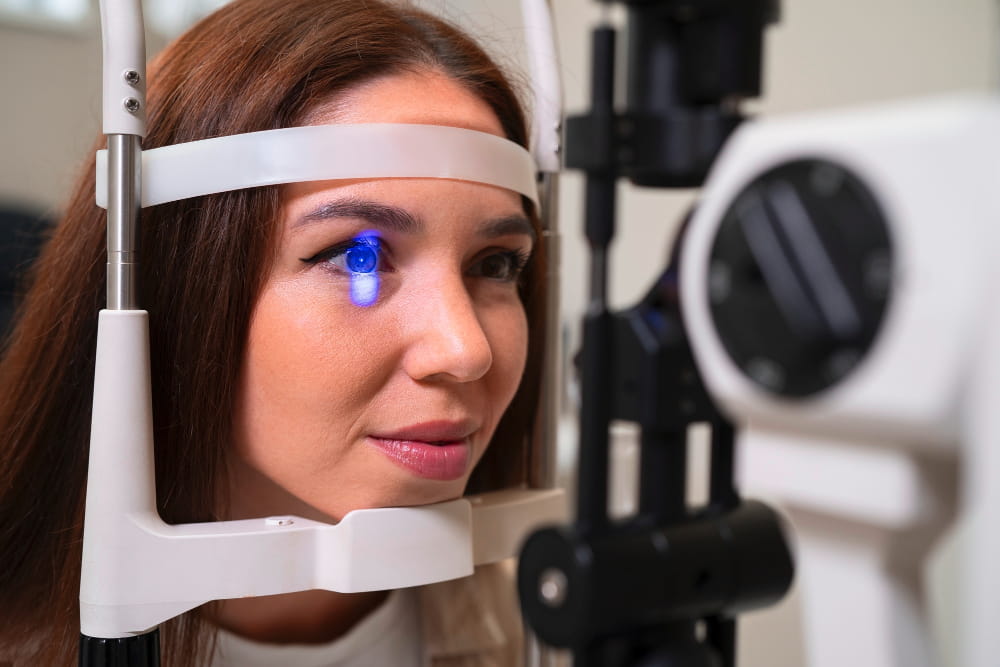
Laser procedures have become a central part of modern ophthalmic care, offering targeted, minimally invasive options for managing a range of conditions. For many patients, understanding the differences between these treatments, what they involve and who each one is designed for can make the journey through specialist referral considerably less uncertain.
When consulting an Ophthalmologist in Melbourne with subspecialty expertise in glaucoma and cataracts, the conversation about laser treatment begins with the underlying condition, not the technology. Each laser type works in a different way, and clinical recommendations are always guided by a thorough assessment of what is happening in the individual eye.
The following overview covers the most commonly used laser treatments in ophthalmology and what patients can expect from each.
Selective Laser Trabeculoplasty (SLT)
Selective Laser Trabeculoplasty, known as SLT, is a well-established procedure for lowering elevated intraocular pressure in glaucoma. The aim is to improve the drainage of fluid from the eye, reducing the pressure that causes progressive damage to the optic nerve.
SLT uses short pulses of low-energy laser light directed at the eye’s drainage tissue, the trabecular meshwork. The treatment is selective in that it targets only certain pigmented cells, leaving surrounding tissue intact. This reduces the likelihood of scarring and means repeat treatment is possible if required in future.
The procedure is performed in a consulting room setting and takes around five to ten minutes. No incision is required, and patients typically return to normal activities the same day. Intraocular pressure usually begins to decline within four to six weeks of treatment, and the effect can persist for several years.
SLT is commonly recommended as a first-line treatment option, either alongside or in place of daily pressure-lowering eye drops, depending on the severity of the condition and individual circumstances. An expert eye specialist will assess intraocular pressure readings, optic nerve status and visual field results to determine whether SLT is clinically appropriate and when treatment should begin.
Laser Peripheral Iridotomy (LPI)
Laser Peripheral Iridotomy is used to manage high risk cases of narrow angles and reduce the risk of acute angle-closure glaucoma. In eyes where the drainage angle between the iris and the cornea is restricted, fluid cannot flow freely. This can cause a sudden and significant spike in intraocular pressure, a medical emergency requiring urgent care.
During LPI, a small opening is created in the peripheral iris using a laser. This provides an additional channel for fluid movement, reducing the risk of acute pressure elevation. The procedure is brief, performed in a consulting room and does not require hospitalisation.
Narrow angles are often identified during a routine eye examination before any symptoms have developed. Often no treatment is required, but in higher risk cases, early detection and treatment with LPI can prevent acute angle-closure from occurring. An Ophthalmologist in Melbourne whom patients are referred to for glaucoma assessment will routinely evaluate the drainage angle as part of a comprehensive specialist examination.
Laser Capsulotomy (YAG Capsulotomy)
Laser Capsulotomy is performed following cataract surgery and is one of the most frequently used laser procedures in modern ophthalmology. After cataract surgery, the thin membrane that holds the intraocular lens in place, the posterior capsule, can gradually thicken and become cloudy. This is called posterior capsule opacification, and it causes a return of the blurred or hazy vision the original surgery was designed to resolve.
A YAG laser is used to create a precise opening in the cloudy capsule, allowing light to pass through clearly again. The effect is typically noticed within a day or two of treatment. The procedure is brief, involves no incision and carries a low rate of complications when performed by an experienced expert eye specialist.
Not all patients who undergo cataract surgery will develop posterior capsule opacification, but it is a recognised possibility. When it does occur, laser capsulotomy provides a reliable and straightforward resolution.
Determining Which Laser Treatment Is Relevant
The appropriate laser procedure is determined by a detailed clinical assessment rather than patient preference. This assessment typically includes measurement of intraocular pressure, evaluation of the optic nerve, gonioscopy to assess the drainage angle, and review of visual field testing results.
For patients with glaucoma, the question is often whether laser treatment can reduce reliance on daily eye drops or provide better pressure control. For those newly found to have narrow angles with high risk of angle-closure disease, the focus is often preventive, with LPI used to remove the risk of an acute episode or long-term glaucoma damage. For post-cataract patients experiencing a gradual return of hazy vision, laser capsulotomy is the clinically indicated next step.
Consulting an Ophthalmologist in Melbourne with subspecialty training across glaucoma and cataract surgery ensures that each pathway is assessed on its clinical merits, with the recommendation clearly explained.
What to Expect at a Specialist Consultation
At a consultation with Dr Simon Skalicky, each patient undergoes a comprehensive assessment tailored to their presenting concern. For those referred with glaucoma, raised intraocular pressure or narrow angles, this includes tonometry, optic nerve imaging, gonioscopy and visual field testing. For post-cataract patients experiencing reduced vision, the assessment identifies the source of the change and determines whether laser capsulotomy is indicated.
All treatment recommendations are explained in full, including the clinical reasoning, what the procedure involves, the expected recovery timeline and any risks or potential side effects. As an expert eye specialist with subspecialty fellowship training at Cambridge and an active research and academic role at the University of Melbourne, Dr Skalicky brings both broad clinical experience and current evidence-based practice to each recommendation.
A valid referral from a GP, optometrist or specialist is required for consultation at Eye Surgery Associates. GP and optometrist referrals are valid for twelve months; specialist referrals for three months.
Taking the Next Step
If you have been referred for a laser treatment assessment, or if your optometrist has noted raised intraocular pressure, narrow angles or changes to your optic nerve, a specialist review with a qualified expert eye specialist is the appropriate next step.
Contact Eye Surgery Associates to arrange a consultation with Dr Simon Skalicky, Ophthalmologist in Melbourne who specialises in glaucoma and cataract management, at locations in East Melbourne and Malvern.